

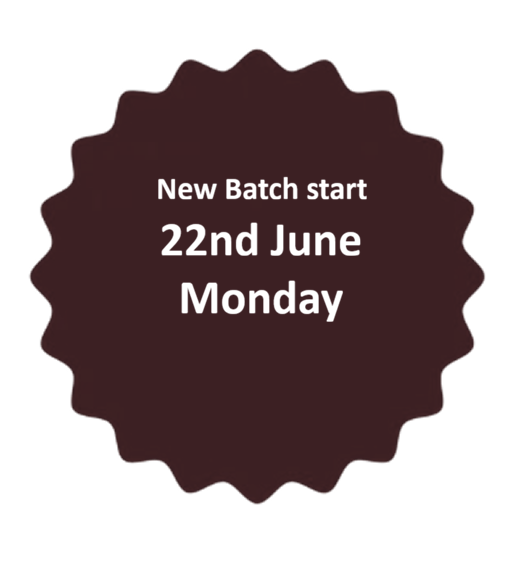
*These certificate courses are not required to be approved under the Ontario Career Colleges Act, 2005.
(3 Months- 80 hours, online & hybrid certificate course, Weekdays & Weekend and evening classes available)
Certificate course cost: $1929 (Easy installments available)
Upon successful completion of the Advanced Early Childhood Education Assistant – Special Needs Certificate Program, students will gain practical skills to support children with diverse developmental, behavioural, communication, and learning needs in inclusive early learning environments.
Graduates will be able to:
• Support children with diverse abilities and learning needs
• Apply positive behaviour guidance strategies
• Use effective communication and sensory support techniques
• Create safe and inclusive learning environments
• Collaborate with families and interdisciplinary professionals
• Promote children’s growth, participation, and well-being

MODULE 1 (SPL1010) Creating Inclusive Environments for Children with Special Needs (10 Hours)
This module explores the key principles and practices that support inclusive environments for children with special needs. Learners will examine current legislation, regulations, and professional standards that guide inclusive practices, while comparing historical perspectives with contemporary approaches to inclusion. In addition, learners will investigate the roles and responsibilities of educators in fostering equitable, supportive, and inclusive learning environments that promote the participation, development, and well-being of all children.
MODULE 2 (SPL1020) Recognizing Special Needs and Responding to Individual Learning Requirements (10 hours)
This module introduces various special needs that children may have and the supports that help them succeed in inclusive learning environments. Learners will examine indicators of physical, cognitive, social-emotional, learning, health, and mental health needs, while developing strategies to support each child’s unique strengths and challenges.
MODULE 3 (SPL1030) Exploring Child Development and Developmental Milestones (10 hours)
This module explores the factors that influence child development, including the roles of heredity and environment in developmental risk. Learners will examine various exceptionalities across physical, cognitive, language, communication, social, and emotional domains, and become familiar with assessment tools used to identify children’s specific needs. The module also focuses on programming strategies and environmental adaptations that support inclusion, while promoting an understanding of children’s diverse learning strengths and challenges.
MODULE 4 (SPL1040) Foundations of Early Identification and Intervention (6 hours)
This module covers early identification and intervention processes, focusing on their purpose and benefits for supporting children’s development. Learners will examine the steps involved in identifying developmental needs, as well as current services, resources, and referral pathways available to families. The module also highlights effective support strategies for children and families, emphasizing the important role families play in assessment and special education planning. In addition, it recognizes families as key advocates and partners in promoting and supporting the needs of their children.
MODULE 5 (SPL1050) Behaviour, Emotion and Sensory Support (10 hours)
This module explores the underlying causes of challenging behaviour, with an emphasis on trauma-informed care, self-regulation, emotional control and sensory processing differences. It equips students with practical knowledge of sensory tools, calming strategies and positive behaviour guidance to support children’s well-being and promote constructive, respectful learning environments.
MODULE 6 (SPL1060) Communication, Social Skills and Individualized Support (10 hours)
This module prepares students to support both verbal and non-verbal children through the use of visual supports and effective communication tools. It emphasizes fostering peer relationships, implementing individualized support plans such as IEPs and IFSPs, and collaborating professionally with therapists and educators to ensure holistic and inclusive support
MODULE 7 (SPL1070) Professional Practice and Real-World Application (6 hours)
This module emphasizes respectful collaboration with families, cultural sensitivity, and the maintenance of confidentiality and professionalism. It also addresses health, safety and personal care practices, strategies for supporting inclusion within classrooms, and the application of learning through case studies and problem-solving, culminating in a final examination to assess comprehensive understanding.
Module 8 (SPL1080) Teaching and Learning Strategies (6 hours)
This module defines teaching and learning strategies used in special education to support diverse learning needs. It also covers the key factors that influence learning, including individual differences, developmental levels, cognitive abilities, sensory needs, communication skills and environmental influences that affect how children learn and respond to instruction.
Module 9 (SPL1090) Assistive Technology (6 hours)
This module focuses on the definition of assistive technology, which refers to devices, tools, and systems that support individuals with special needs in performing daily tasks and learning activities. It also covers factors that influence the need for assistive technology, including physical, sensory, communication, cognitive and neurological impairments as well as environmental barriers.
Module 10 (SPL1099) Intervention for Families (6 hours)
This module focuses on the definition of family-based intervention in special education, which involves structured support provided to families of children with special needs. It also covers factors affecting family needs, including the child’s disability type and severity, emotional and financial stress, caregiving demands, communication challenges and social or environmental support systems.
After completing all modules, students will take a final online quiz made up of 60 multiple-choice questions. This quiz is designed to check your understanding of everything you’ve learned throughout the course. It’s a great way to review the key topics and feel confident about the knowledge you’ve gained. A passing score is required to successfully complete the certificate.
As part of the course, students will have access to 2 hours of dedicated support to help them build or improve their resume and cover letter. This one-on-one guidance is designed to help you showcase your skills and experience in a way that’s clear, professional, and tailored to roles in the childcare field. Whether you’re just starting your career or looking to update your documents, this session will give you the tools and confidence to apply for jobs successfully.
Graduates of the Advanced Early Childhood Education Assistant – Special Needs Certificate Program may pursue opportunities in childcare, educational, and community support settings, including roles such as:
• Special Needs Support Assistant
• Inclusive Childcare Support Worker
• Early Intervention Assistant
• Educational Support Assistant
• Behaviour Support Assistant
• Developmental Support Worker
• Child and Family Support Worker
• Early Learning Program Support Staff
This certificate also serves as valuable professional development for Early Childhood Educators (ECEs), Early Childhood Assistants (ECAs), childcare professionals, and parents seeking specialized knowledge in supporting children with diverse abilities and learning needs.
Take the first step towards a rewarding career in early childhood education. Join the Advanced Early Childhood Education Assistant (ECEA) – Special Needs certificate course at the Toronto Academy of Education and make a positive impact on the lives of young children.
For more information or to apply, please contact us at
info@torontoacademy.ca
or
call 905-565-1091














Toronto Academy of Education uses the lens of diversity, access, equity and inclusion. Our programs have a futuristic approach that focuses on the concept of sustainability.


© Toronto Academy of Education 2022-2026 | All Rights Reserved
Powered by Digify SEO Company