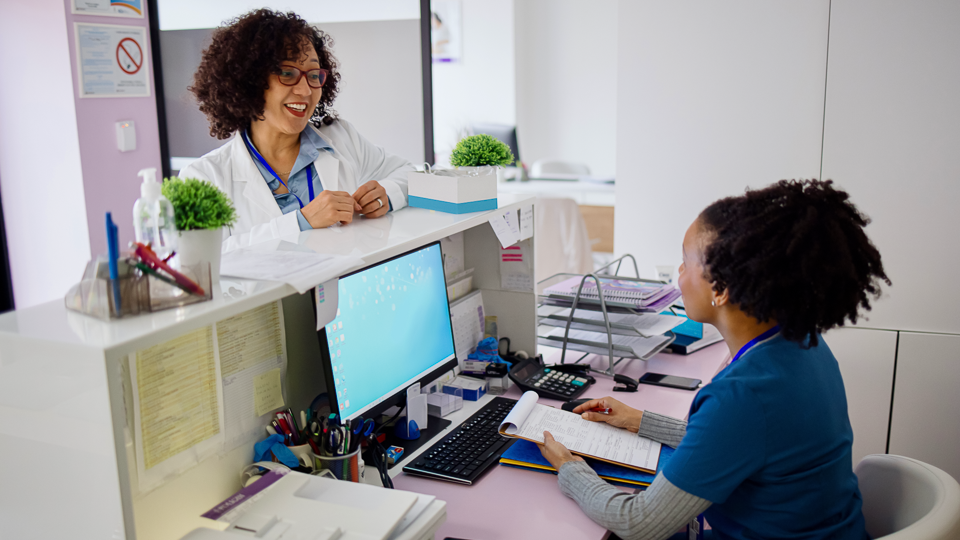
Introduction to Medical Office Administration
Introduces the role and responsibilities of Medical Administrative Assistants within the Canadian healthcare system. Students explore medical office environments, professional ethics, patient confidentiality, workplace expectations, and daily administrative workflows. The module emphasizes professionalism, teamwork, organizational skills, and the importance of providing efficient, patient-centred administrative support.
Medical Terminology, Body Systems and Common Health Conditions
Develops foundational knowledge of medical terminology, basic human anatomy, major body systems, and common health conditions. Students explore medical abbreviations, healthcare specialties, diagnostic terminology, and frequently used medical expressions. The module emphasizes understanding healthcare documentation and communicating accurately within medical office environments.
Computer Applications, Keyboarding and Digital Office Skills
Introduces essential computer applications and digital administrative skills used in modern healthcare offices. Students develop familiarity with keyboarding, Microsoft Word, Excel, email communication, electronic filing, basic spreadsheets, and professional document preparation. The module emphasizes accuracy, efficient data entry, digital organization, and secure handling of electronic information.
Professional Communication and Patient Services
Develops professional communication and customer service skills for healthcare environments. Students explore telephone etiquette, patient inquiries, professional correspondence, appointment communication, conflict resolution, and respectful interactions with diverse patient populations. The module emphasizes confidentiality, empathy, teamwork, and effective communication with patients and healthcare professionals.
Medical Reception and Appointment Scheduling
Introduces medical reception procedures, patient registration, appointment booking, scheduling, cancellations, and follow-up coordination. Students explore patient check-in and check-out processes, demographic verification, referral coordination, and daily front-desk operations. Practical scenarios help learners understand how administrative staff manage patient flow in family practices, walk-in clinics, and specialist offices.
Electronic Medical Records and Patient Information Management
Introduces Electronic Medical Records (EMR) systems and the principles of accurate healthcare documentation. Students explore electronic patient profiles, demographic updates, medical record organization, appointment documentation, and secure information management. The module also addresses patient confidentiality, Ontario healthcare privacy requirements, and simulated administrative workflows using electronic recordkeeping concepts.
OHIP Billing, Insurance and Financial Administration
Provides foundational knowledge of Ontario Health Insurance Plan (OHIP) billing workflows, medical billing terminology, insurance documentation, and financial administration. Students explore billing codes, claim preparation concepts, payment records, invoices, receipts, and basic bookkeeping procedures. Practical exercises introduce common billing scenarios and emphasize accurate documentation, financial recordkeeping, and administrative verification.
Medical Office Procedures and Practice-Management Software
Introduces essential medical office procedures and practice-management systems used to support daily healthcare operations. Students explore electronic scheduling, administrative forms, referral documentation, medical correspondence, document management, transcription concepts, and office inventory coordination. Guided activities emphasize effective workflow organization, accurate recordkeeping, and familiarity with common medical office technologies.
Infection Prevention, Workplace Safety and Clinical Office Awareness
Provides an introductory understanding of infection prevention, workplace health and safety, and administrative responsibilities within clinical environments. Students explore hand hygiene, personal protective equipment awareness, safe workplace practices, vital-sign terminology, and common examination-room procedures. The module also introduces recognizing urgent situations, following clinic emergency protocols, and referring clinical concerns to qualified healthcare professionals.
Medical Office Practical Simulation and Career Preparation
Integrates knowledge from previous modules through simulated medical office activities, including patient registration, appointment scheduling, electronic record updates, sample OHIP billing workflows, and professional patient communication. Students also explore résumé preparation, interview skills, workplace expectations, and entry-level employment readiness. The module concludes with practical exercises and assessments evaluating foundational medical office administrative knowledge and skills.