
Notice
Next Personal Support Worker (PSW) Batch Starting from Sep 28th 2026
Next Medical Office Assistant (MOA) Batch Starting from Oct 13th 2026
Spectrum Health Care - On-Campus PSW Hiring Event on Oct 9th 2026
Next Dietary Food Service Worker (DFSW) Batch Starting from Oct 13th 2026
Early Childhood Education Assistant (ECEA) Program – Enrollment Now Open
Notice
Next Personal Support Worker (PSW) Batch Starting from Sep 28th 2026 Next Medical Office Assistant (MOA) Batch Starting from Oct 13th 2026 Spectrum Health Care - On-Campus PSW Hiring Event on Oct 9th 2026 Next Dietary Food Service Worker (DFSW) Batch Starting from Oct 13th 2026 Early Childhood Education Assistant (ECEA) Program – Enrollment Now Open

Home Support Worker (HSW) Program

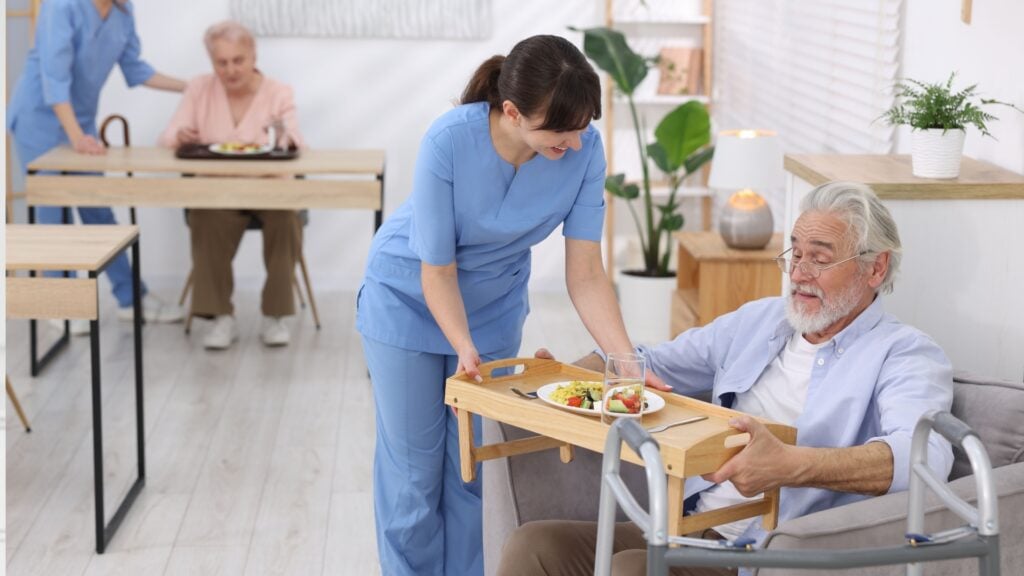
Build practical caregiving skills to support seniors, individuals with disabilities, and people recovering from illness in home and community care settings.
Course Information

  • Program Duration

    Less than 5 Months

  • Community Practicum

    100 Hours

  • Care Focus

    Home & Community Care

  • Program Curriculum

    NACC Home Support Worker (HSW) 2022

Course Overview

Accelerated, Ministry-Approved Program to Launch Your Career
This Ministry-approved program combines comprehensive training with hands-on experience, ensuring you’re ready to meet the demands of real-world caregiving.
The Home Support Worker (HSW) Program prepares students with the practical knowledge and caregiving skills needed to support individuals in home and community settings. Students learn personal care, mobility support, household management, nutrition, communication, mental health support, safety, and palliative care, followed by a community practicum placement.

Career Outcomes

Graduates develop practical caregiving, communication, safety, and support skills for working with clients in home and community care settings.

Personal Care & Daily Living Support

Assist clients with hygiene, dressing, mobility, meal preparation, and other activities of daily living.

Safe Home & Community Care

Apply infection control, safe lifting, transfer techniques, hazard awareness, and emergency-response practices.

Nutrition & Household Support

Support meal planning, hydration, food safety, housekeeping, laundry, shopping, and household routines.

Compassionate Client Communication

Develop respectful communication, professional boundaries, empathy, and person-centred caregiving skills.

Mental Health & Cognitive Support

Build awareness of mental health conditions, cognitive impairments, dementia, and supportive caregiving approaches.

Palliative & End-of-Life Support

Learn to provide comfort, dignity, emotional support, and culturally sensitive care during advanced illness and end-of-life situations.

Program Curriculum

Introduction to Home Support Work

Learn the role, responsibilities, scope of practice, professional boundaries, communication, and person-centred approaches used in home support care.

Safety and Infection Control

Develop skills in infection prevention, standard precautions, safe lifting and transfers, hazard awareness, and emergency response.

Household Management

Learn to support clients with light housekeeping, laundry, shopping, meal preparation, and maintaining a safe and comfortable home environment.

Nutrition and Meal Planning

Build knowledge of nutrition, hydration, food safety, meal preparation, dietary needs, and culturally appropriate food support.

Assisting with Personal Care

Learn respectful techniques for bathing, grooming, dressing, toileting, mobility assistance, consent, dignity, and client comfort.

Human Growth and Development

Explore physical, emotional, and social development across the lifespan and how age, illness, and disability can affect client needs.

Assisting the Family and Caregivers

Understand care plans, client rights, family support, restorative care, and working effectively within community healthcare environments.

Mental Health and Cognitive Conditions

Learn supportive approaches for clients experiencing anxiety, depression, dementia, cognitive impairment, and other mental health challenges.

Palliative and End-of-Life Care

Develop knowledge of palliative care, emotional support, communication, cultural sensitivity, comfort, and dignity at end of life.

Practicum Placement – Community

Apply classroom learning during a 100-hour community placement under the guidance of a qualified preceptor and gain practical caregiving experience.

Admission Requirement

  • Please contact our admissions team for the current admission requirements for the Home Support Worker (HSW) Program, including academic prerequisites, assessment requirements, and any documentation required before practicum placement.

Why Choose Us

  • Home & Community Care Focus - Build practical skills for supporting clients in their homes and community-based care environments.
  • 100-Hour Community Practicum - Apply your learning in a real-world community setting under the guidance of a qualified preceptor.
  • Person-Centred Care Training - Learn to support client dignity, independence, choice, comfort, and individual needs.
  • Practical Daily Living Skills - Develop skills in personal care, mobility, meal preparation, household support, and companionship.
  • Safety, Nutrition & Health Support - Build knowledge in infection control, safe transfers, nutrition, hydration, and maintaining a safe home environment.
  • Palliative & Mental Health Support - Learn approaches for supporting clients experiencing cognitive, mental health, and end-of-life care needs.

Frequently Ask Question

How long is the Home Support Worker (HSW) program?

The program can be completed in less than 5 months and includes classroom learning, practical training, and community practicum experience.

What will I learn in the HSW program?

Students learn personal care, safety and infection control, household management, nutrition, communication, mental health support, palliative care, and other essential home support skills.

Does the HSW program include practicum placement?

Yes. The program includes a 100-hour community practicum where students apply their learning in a real-world care setting under the guidance of a qualified preceptor.

Where can Home Support Workers work?

Graduates may find opportunities with home care agencies, private households, community health organizations, respite care services, and retirement residences.

What does a Home Support Worker do?

HSWs assist clients with daily living activities such as personal care, mobility, meal preparation, household tasks, companionship, and social or recreational support.

Who can HSWs support?

Home Support Workers may support seniors, individuals with disabilities, people recovering from illness, and others who need ongoing assistance at home or in community settings.

Does the program include palliative and end-of-life care training?

Yes. Students learn palliative care principles, emotional support, communication, cultural sensitivity, comfort, and dignity in end-of-life care.

How can I apply to the HSW program?

Contact the admissions team for current admission requirements, available start dates, fees, and application guidance.

Get more information